The summer is quickly approaching. The break is certainly something to look forward to, but let’s be honest: the pandemic continues and we have already spent a lot of time at home over the last year. Though watching television and playing video games are fun, there are so many things students could and should be doing to get a little variety in their day and to stay healthy.
Of course, this English teacher’s first suggestion is for you to write. That writing does not need to be more essays, though. You could write about what’s going on during this pandemic. What’s going on in the world, in your country, in your city, in your social circle, in your family, and within yourself.
In a podcast last year, author George Saunders asks, “Are you keeping records of the emails and texts you’re getting? The thoughts you’re having? The way your hearts and minds are reacting to this strange new way of life?” Students could use their downtime to keep up with such things through writing.
Saunders says, “It’s all important. Fifty years from now, people the age you are now won’t believe this ever happened. Or will do the sort of eye roll we all do when someone tells us about something crazy that happened in 1960.”
Writing is also a way to make sense of things that are scary, sad, difficult, or boring. In that same podcast, the host Cheryl Strayed says, “Writing is the way I make sense of almost everything in my life.” Through keeping a journal or emailing a friend or family member, young people can both keep “records” and “make sense” of all that is going on and how they are feeling.
But students can also take this time to read. Read something fun. Read something easy. Read blogs, magazines, history books, science articles, anything! Ebooks, digital magazines, and audiobooks are available online. Many books can be found online through sites like Project Gutenberg. Read something your teacher isn’t “making” you read.

Watch documentaries about topics that interest you. Plant some seeds in a pot and leave that pot in a place where you’ll see it often so you can really watch the plants grow. Draw or paint. Have a video call with a friend or group of friends to play a game “together.” Use an online program or a YouTube channel to learn a language.
Exercise. You don’t have to be at a soccer field, gym, or track to exercise. Do some stretches in the morning when you wake up. Do exercises that don’t require a lot of space, like pushups, sit-ups, and jumping jacks. A simple online search will provide you with yoga and martial arts instructors who provide free video lessons.
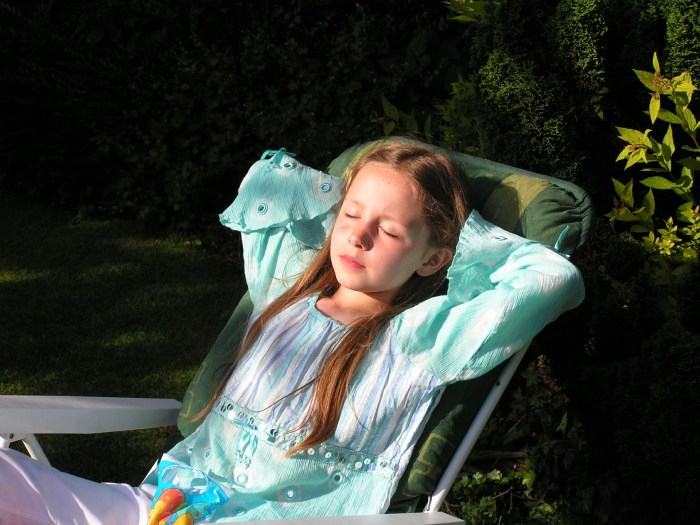
And, don’t forget to breathe! It’s great to take 3-5 minutes to sit quietly, relax, and breathe. You can do this by sitting in a quiet place with your eyes closed, focusing on each breath you take–in and out. Or search for free guided relaxation videos online.
Whatever you do, though, try hard to get along with those you live with. It’s easy to get irritable and frustrated with people we are with for long periods of time. Try to find your own space, give others their space, respect each other’s needs, and help out wherever you can to create a peaceful living situation.


 view of the world. We have also spent significant time in Mexico. Furthermore, these trips have opened up
 Then, there’s the ever-frustrating suggestion: Take classes, meet a local, start a conversation. People traveling and living abroad have heard this over and over again. These are great ways to learn the language. However, for those who have tried this approach, you know it’s easier said than done. You don’t just learn it by being in a new country. Learning a new language is hard work and it’s frustrating. But be strong, have patience, learn the essentials, and enjoy the country you’re in.
 Lux Writing Center